Introduction to Bagasse
What Is Bagasse Made Of?
Bagasse is the fibrous residue left after crushing sugarcane to extract juice. It is made of cellulose, hemicellulose, and lignin—organic compounds that give it a fibrous texture. Once seen as agricultural waste, it is now considered a resource with countless possibilities.
Global Availability and Supply
Sugarcane is cultivated in over 90 countries, with Brazil, India, and Thailand leading production. Together, they generate hundreds of millions of tons of bagasse each year. This abundance ensures bagasse is both renewable and affordable, making it a promising raw material for sustainable industries.
Evaluating Bagasse Applications


Criteria for “Best Use”
To determine the best use of bagasse, we must evaluate it against three key factors.
Environmental Impact
The application should reduce waste, minimize pollution, and replace harmful materials like plastic or coal.
Economic Value
Bagasse’s use should create value for farmers, industries, and consumers by lowering costs or creating new business opportunities.
Long-Term Sustainability
The best use should align with future needs, supporting eco-friendly practices and contributing to a circular economy.
Traditional Uses of Bagasse
Fuel for Sugar Mills
For decades, sugar mills have burned bagasse to produce steam and electricity. This not only powers sugar production but also allows some mills to sell excess electricity back to the grid.
Paper and Cardboard Production
Bagasse fibers can be pulped into paper and cardboard. While less durable than wood pulp, bagasse-based paper is cost-effective, lightweight, and far more sustainable.
Livestock Feed (After Processing)
When treated with enzymes or mixed with molasses, bagasse can be turned into cattle feed. It provides fiber and energy, though it requires careful processing to ensure digestibility and safety.
Bagasse in Modern Eco-Packaging
Compostable Tableware and Containers

Bagasse Bowl

Bagasse cup lid

Bagasse Cutlery

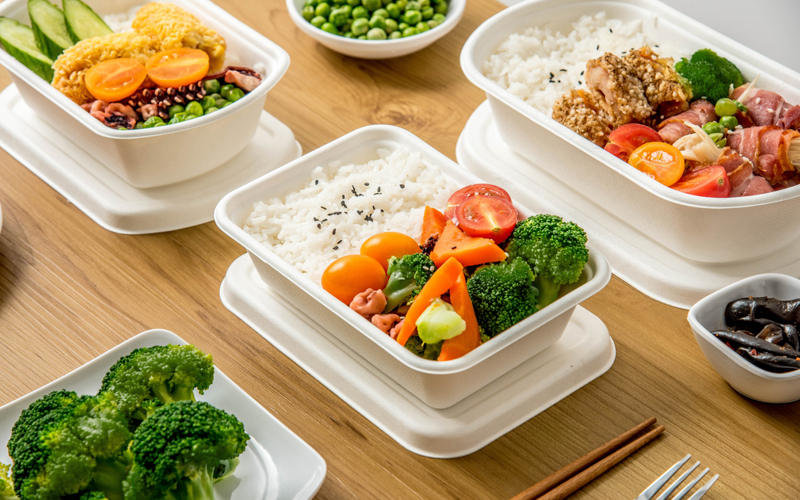
Bagasse Lunch Box

Bagasse Plate
Plates, Bowls, and Cups
Bagasse is molded into strong, grease-resistant plates, bowls, and cups. These products handle hot soups, oily foods, and cold beverages with ease.
Food Trays and Lunch Boxes
Fast-food chains and catering businesses now rely on bagasse trays and lunch boxes as eco-friendly replacements for polystyrene and plastic.
Advantages Over Plastic
Biodegradability
Unlike plastics that linger in landfills for centuries, bagasse products naturally decompose within months, returning nutrients to the soil.
Food Safety and Heat Resistance
Certified bagasse containers are safe for direct food contact. They can withstand high temperatures in microwaves and resist grease and moisture better than flimsy paper products.
Agricultural Applications of Bagasse
Soil Fertilizer and Compost
Enhancing Soil Health
When composted with nitrogen-rich materials, bagasse adds organic matter to soil, improving aeration, water retention, and fertility.
Addressing Nitrogen Deficiency
Raw bagasse has a high carbon-to-nitrogen ratio, which can deplete soil nitrogen. Composting corrects this imbalance, making it safe for crops.
Biochar for Soil Restoration
Long-Term Soil Carbon Storage
Through pyrolysis, bagasse can be converted into biochar, a stable form of carbon that remains in soil for decades, locking away carbon and improving fertility.
Boosting Microbial Activity
Biochar enhances soil biodiversity by providing habitats for beneficial microbes, which in turn improve nutrient cycling and crop productivity.
Industrial and Energy Uses
Biofuel and Ethanol Production
Reducing Fossil Fuel Dependence
Bagasse can be fermented into bioethanol, reducing reliance on petroleum-based fuels and cutting greenhouse gas emissions.
Potential for Rural Energy Systems
In rural areas, bagasse-derived biogas and pellets can supply affordable, renewable energy to communities that lack access to reliable electricity.
Building Materials and Composites
Particleboards and Panels
Bagasse fibers are pressed into boards used for furniture, flooring, and construction. These boards reduce the need for wood, helping combat deforestation.
Lightweight Eco-Friendly Alternatives
Bagasse boards are lighter than traditional wood products and can be combined with resins to create durable, cost-effective building materials.
Comparing Different Uses
Which Use Delivers the Highest Value?
While bagasse as a fuel or paper pulp remains important, these uses do not maximize its potential. Eco-packaging and biochar deliver higher long-term benefits because they address pressing global issues like plastic pollution and soil degradation.
Balancing Environment and Economy
The best use of bagasse must balance profitability with sustainability. Eco-packaging, for example, generates income, meets consumer demand for green products, and prevents environmental harm.
The Best Use of Bagasse Today
Why Eco-Packaging Leads the Way
Among all applications, eco-friendly packaging stands out as the best use of bagasse today. It replaces plastics, decomposes naturally, and supports the booming sustainable packaging market.
Role in a Circular Economy
Bagasse packaging represents circular agriculture: sugarcane is grown, juice extracted, waste converted into packaging, and packaging returned to the soil through composting. This loop reduces waste and maximizes resource efficiency.
Future Opportunities
Bioplastics and Advanced Materials
Scientists are developing bioplastics from bagasse, aiming to replace petroleum plastics in electronics, textiles, and automotive industries.
Global Trends in Bagasse Utilization
With governments banning single-use plastics and promoting renewable energy, bagasse is positioned to play a leading role in global sustainability efforts.
Conclusion: From Waste to Best Use
So, what is the best use of bagasse? While it has many applications—from paper and fuel to animal feed—the most impactful use today is eco-friendly packaging. It not only replaces harmful plastics but also supports circular agriculture and reduces environmental damage. With innovations like bioplastics and biochar, bagasse is poised to remain a cornerstone of sustainable industries worldwide.