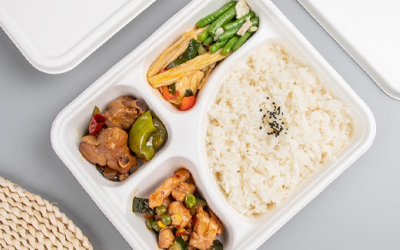
Most bagasse plates are microwave-safe for short heating. Use 50% to 70% power for 2 to 3 minutes, stir or rotate food, and avoid prolonged heating of oily or sugary items. Check the microwave-safe mark, remove outer packaging, cover with a paper towel, and stop if discoloration appears. The guide also includes Warmpack usage tips and FAQs. Read More
Warmpack supplies compostable sugarcane-bagasse tableware for hotels, restaurants, and catering. Durable, heat/oil resistant, microwave/freezer safe, and fully customizable. Certified (ISO9001, BSCI, FDA, LFGB, FSC) with bulk supply and global shipping to cut plastic waste. Read More
A buyer’s introduction to bagasse food packaging, covering fiber and finished-pack components, menu-based format selection, practical limits and environmental claims. Use the product and packing checklists to prepare comparable quotations, request relevant documents and connect sample approval with bulk-order quality checks. Read More
China is home to many leading bagasse plate manufacturers producing eco-friendly, compostable, and durable tableware. With large-scale capacity, global certifications, and customization services, suppliers like Warmpack provide sustainable solutions for restaurants, catering, events, and households worldwide. Read More
China holds a leading position in the wholesale sector of biodegradable plates, offering environmentally friendly Bagasse Sugarcane Plates. It also provides services such as bulk supply, certification, customization and global transportation. Read More
Bagasse is not plastic but a natural fiber from sugarcane. It’s biodegradable, compostable, and an eco-friendly alternative to single-use plastics. Read More
Introduction to BagasseWhat Is Bagasse Made Of?Bagasse is the fibrous residue left after crushing sugarcane to extract juice. It is made of cellulose, hemicellulose, and lignin—organic compounds that give it a fibrous texture. Once seen as agricultural waste, it is now considered a resource with cou Read More
Bagasse is the fibrous material left after sugarcane is crushed to extract its juice. For every ton of sugarcane processed, nearly one-third of its weight becomes bagasse. Once treated as agricultural waste, bagasse is now recognized as a valuable renewable resource. Read More
Bagasse, the byproduct of sugarcane, can be turned into eco-friendly fertilizer through composting or biochar conversion. While raw bagasse decomposes slowly, treated forms enrich soil, improve water retention, and cut farming costs—making it a sustainable solution for greener agriculture. Read More
Introduction to Sugarcane and BagasseSugarcane and bagasse are two terms often mentioned together, yet they represent entirely different things. Sugarcane is a tall perennial grass grown mainly for its sweet juice, while bagasse is the fibrous residue left after sugarcane stalks are crushed for suga Read More
Bagasse is a fibrous by-product of sugarcane processing and is produced in large volumes worldwide. Brazil is the largest producer, followed by India, China, Thailand, and Pakistan. Once considered waste, bagasse now supports energy generation, packaging, and global sustainability efforts. Read More
Discover how bagasse is transformed into eco-friendly trays, bowls, cups, and paper bags, offering a sustainable alternative to plastic packaging. Read More
Bagasse plates, made from sugarcane fiber, are sturdy, compostable, and eco-friendly. They resist heat, oil, and moisture, making them ideal for restaurants, events, and households. While slightly pricier than plastic, their sustainability and durability make them a smart choice. Read More
Introduction: The Debate Between Bagasse and PaperWhy This Comparison Matters TodayIn today’s world, sustainability isn’t just a buzzword—it’s a necessity. Packaging waste is one of the largest contributors to environmental pollution, and businesses are under pressure to switch to greener alternativ Read More
Compostable takeout containers are shaping the foodservice industry in 2025. This article highlights the top global manufacturers—Warmpack, Vegware, Eco-Products, Biopak, and Huhtamaki—and explores their certifications, strengths, and role in driving sustainable packaging worldwide. Read More
What Are Bagasse Plates?The Origin of BagasseBagasse is the fibrous byproduct left after sugarcane stalks are crushed to extract juice. Instead of being discarded or burned, this natural fiber is transformed into strong, compostable, and eco-friendly tableware, including plates, bowls, trays, and li Read More
The Power of Custom Packaging for Foodservice BrandsWhy Customization Matters More Than EverIn a market overflowing with choices, foodservice businesses can no longer afford to rely on generic packaging. Customization is no longer a luxury; it’s a necessity. With the rise of eco-conscious consumers Read More